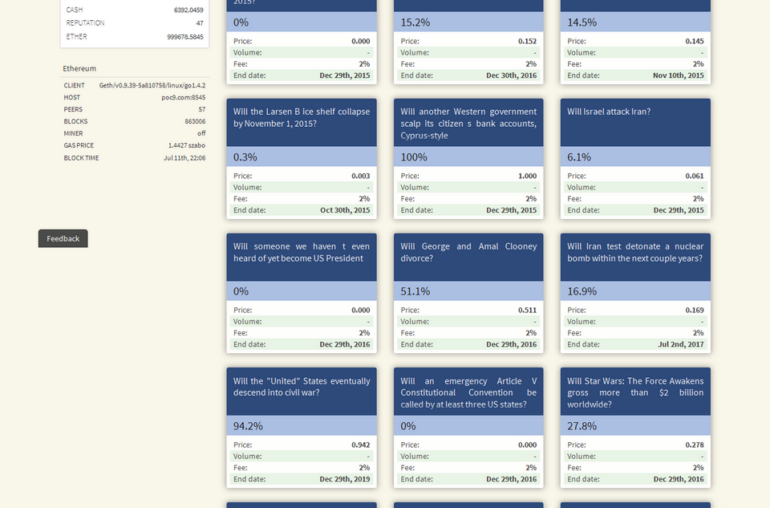
- Arbitrage opportunities exist when prediction markets price the same event differently across platforms
- Successful arbitrage requires monitoring bid-ask spreads and acting quickly on price discrepancies
- Risk management is crucial as prediction markets can be volatile and settlement times vary
Prediction market arbitrage has become increasingly viable in 2026 as platforms like Kalshi and Polymarket have grown to multi-billion dollar industries. Traders can profit from price discrepancies between these platforms by executing simultaneous trades that capitalize on market inefficiencies. The key to successful arbitrage lies in identifying mispriced contracts and acting quickly before the markets converge.
According to recent data, the prediction market industry has transitioned from a niche activity to a mainstream trading platform, with Kalshi and Polymarket driving the trend. These platforms allow traders to speculate on real-world outcomes ranging from political events to economic indicators, creating numerous arbitrage opportunities.
How to Identify Prediction Market Arbitrage Opportunities
Identifying arbitrage opportunities requires monitoring price discrepancies between platforms and understanding market inefficiencies. The difference between bid and ask prices, combined with tracking the “wisdom of the crowds,” can reveal mispriced contracts ripe for arbitrage.
Monitoring Price Discrepancies Between Kalshi and Polymarket
Successful arbitrage traders track specific metrics across platforms to identify profitable opportunities:
- Spread percentage: Calculate the percentage difference between buy and sell prices on each platform
- Volume differences: Monitor trading volume variations that may indicate price inefficiencies
- Settlement time variations: Account for different settlement times that can create temporary arbitrage windows
- Liquidity gaps: Identify markets with insufficient liquidity that may lead to price discrepancies
Using Limit Orders to Capture Market Inefficiencies
Advanced traders increasingly use limit orders to act as “market makers,” setting their own odds for events. This strategy can secure better ROI than fixed-odds sportsbooks by:
- Providing liquidity to markets with thin order books
- Capturing the bid-ask spread as profit
- Creating synthetic arbitrage opportunities through strategic positioning
- Reducing execution risk by specifying exact entry and exit prices
Tracking Real-Time Data with Dune Analytics and Market APIs
Real-time data monitoring is essential for successful arbitrage trading. Key tools and data sources include:
- Dune Analytics: Provides real-time, on-chain data and tracking for market volumes and user activity on platforms like Kalshi
- Platform APIs: Direct access to order book data and price feeds from Kalshi and Polymarket
- Market making dashboards: Specialized tools that aggregate data across multiple prediction markets
- Price comparison services: Automated systems that alert traders to significant price discrepancies
Executing Arbitrage Trades Across Kalshi and Polymarket
Executing successful arbitrage trades requires a systematic approach that accounts for platform differences, fees, and timing constraints. The process involves careful planning and rapid execution to capitalize on fleeting opportunities.
Step-by-Step Process for Cross-Platform Arbitrage
The arbitrage execution process follows a specific sequence to minimize risk and maximize profit:
- Identify opportunity: Monitor price discrepancies across platforms using real-time data feeds
- Calculate potential profit: Factor in fees, settlement times, and execution costs
- Determine position size: Allocate capital based on risk tolerance and opportunity size
- Execute simultaneous trades: Place orders on both platforms to lock in the price difference
- Monitor execution: Track order fills and adjust positions if necessary
- Settle and withdraw: Collect profits after market resolution and transfer funds
Understanding Settlement Times and Fee Structures
Settlement times and fee structures significantly impact arbitrage profitability. Here’s how Kalshi and Polymarket compare:
| Metric | Kalshi | Polymarket |
|---|---|---|
| Settlement time | 1-3 business days | Instant to 24 hours |
| Trading fees | 2% of expected earnings | 2% of winnings |
| Deposit fees | Card deposits: 3% | None for crypto deposits |
| Liquidity | Robust during major events | Unparalleled volume |
Managing Position Size and Capital Allocation
Effective risk management requires careful position sizing and capital allocation strategies. Traders should: Predscanner.com
- Limit exposure to any single arbitrage opportunity to 2-5% of total capital
- Maintain sufficient reserves for margin requirements on both platforms
- Diversify across multiple uncorrelated arbitrage opportunities
- Consider the correlation between different prediction markets when allocating capital
Risk Management and Profit Calculation for Arbitrage
Successful arbitrage trading requires sophisticated risk management and accurate profit calculation. Understanding the various risks and how to quantify potential returns is essential for long-term profitability.
Calculating Expected Returns and Risk-Reward Ratios
Key metrics for evaluating arbitrage opportunities include:
- Expected return: (Price difference – fees) / capital required
- Execution risk: Probability of one leg failing to execute at the target price
- Settlement risk: Time value of money and platform-specific settlement delays
- Opportunity cost: Alternative uses of capital during the trade duration
Dealing with Market Volatility and Liquidity Risks
Prediction markets can be volatile and settlement times vary, creating several risks:
- Price slippage: Rapid price movements during execution can erode profits
- Liquidity constraints: Thin markets may prevent full position execution
- Platform outages: Technical issues can prevent trade execution or settlement
- Regulatory changes: Sudden rule changes can impact trading strategies
Tax Implications and Reporting Requirements
Profits from prediction market arbitrage are taxable and require careful tracking:
- Capital gains treatment: Most jurisdictions treat prediction market profits as capital gains
- Transaction reporting: Maintain detailed records of all trades for tax purposes
- Cross-border considerations: Different tax treatments may apply when using multiple platforms
- Annual reporting: File appropriate forms to report trading income and gains
Building a successful prediction market arbitrage strategy requires combining technical analysis, risk management, and rapid execution. By understanding the unique characteristics of platforms like Kalshi and Polymarket, traders can identify and capitalize on price discrepancies while managing the inherent risks. The key is to start small, develop a systematic approach, and scale gradually as you gain experience with the market dynamics and platform-specific nuances.
Frequently Asked Questions About Building A Prediction Market Arbitrage
How does Kalshi make money?
Kalshi earns through transaction fees on trades, typically a small percentage of the contract's value, similar to a stock exchange. This fee structure applies regardless of whether users win or lose, allowing arbitrage traders to factor costs into their profit calculations when executing trades acro…
Does Polymarket make money?
Polymarket generates revenue via trading fees and spreads on contracts, charging a small percentage per transaction. For arbitrage traders, these fees must be considered when calculating potential profits from exploiting price differences between Polymarket and other platforms like Kalshi.
Can you make money on prediction markets?
Yes, profit is possible by buying low and selling high on event contracts or correctly predicting outcomes. Arbitrage traders specifically exploit price discrepancies across platforms like Polymarket and Kalshi, locking in risk-free gains after accounting for fees and transaction costs.
What is prediction market trading?
Prediction markets are platforms where users trade contracts tied to future event outcomes, with prices reflecting collective probability estimates. Arbitrage traders leverage these markets by simultaneously buying and selling contracts on different platforms (e.g., Polymarket vs.